What an Office Cleaning Contract Should Include in Knoxville
Why a Detailed Cleaning Contract Matters
A vague cleaning agreement can lead to missed tasks, inconsistent results, billing disputes, and confusion over access cards or alarm procedures. The answer to “What should an office cleaning contract include?” begins with measurable responsibilities covering the work, schedule, supplies, access, quality standards, pricing, and termination rights.
Recurring janitorial contracts should protect both the office manager and the provider by defining what successful service looks like. A detailed janitorial contract also makes commercial cleaning proposals easier to compare because each company is bidding on the same expectations.
At TruePro Cleaning Services, we’re passionate about getting things right the first time, every time, and we’re committed to ensuring clients are completely happy with their TruePro experience. That customer-focused standard still needs to be supported by clear written terms.
Start With a Walkthrough of the Workplace
Before requesting proposals, document the office’s square footage, occupancy, restrooms, breakrooms, conference rooms, entryways, floor types, and high-touch surfaces. Record unusual conditions such as shared facilities, restricted rooms, heavy visitor traffic, or warehouse space.
Properties in Downtown Knoxville, Bearden, Cedar Bluff, and West Knoxville may have different parking, elevator, loading, and after-hours access requirements. Give every provider the same walkthrough information so their proposed scopes and prices can be compared fairly.
Define the Scope of Work Item by Item
The scope of work is the core of a cleaning contract because it identifies the rooms, surfaces, and tasks covered by the recurring price. Request a room-by-room or task-by-task checklist rather than accepting a broad promise such as “general cleaning.”
The agreement should distinguish routine service from deep cleaning, carpet cleaning, hard floor cleaning, window cleaning, and post-construction cleaning. These services require different methods, equipment, labor, and scheduling, so the contract should state whether they are included, periodic, excluded, or available with separate authorization.
Clear exclusions are as important as included tasks. Without them, an office manager may expect specialty work that the provider did not include in the proposal.
Tasks Commonly Included in Recurring Office Cleaning
A recurring checklist may cover:
Office and desk cleaning where employees permit access
Dusting of accessible surfaces
Trash removal and replacement of bin liners
Vacuuming, sweeping, and mopping
Restroom sanitization
Breakroom counters, sinks, tables, and appliance exteriors
Cleaning or disinfection of specified high-touch surfaces
The contract should identify who empties interior bins, supplies liners, restocks consumables, and reports leaks, broken fixtures, or other maintenance concerns. It should also define whether cleaners move personal items or clean only unobstructed desk surfaces.
Tasks That Should Be Listed Separately
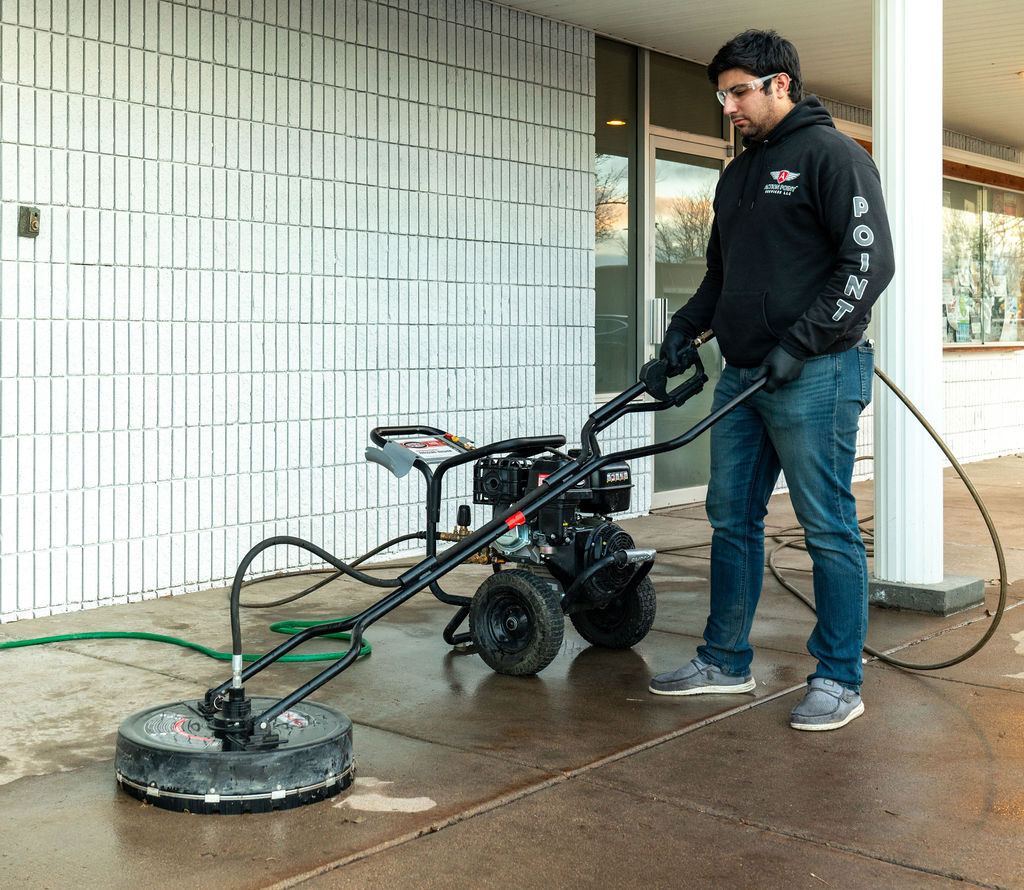
Carpet extraction, stripping and waxing floors, upholstery cleaning, interior window cleaning, pressure washing, and post-construction cleanup often require separate scheduling and approval. Listing each service and its price basis separately prevents surprise invoices and produces a more accurate comparison between providers.
Set Cleaning Frequency and Service Times
The service schedule should reflect foot traffic, employee count, customer visits, restroom use, food preparation, and the type of work performed. High-traffic workplaces may need daily cleaning, active offices may need several visits per week, and lower-occupancy spaces may be suitable for weekly service.
Specify the permitted service window, including whether work occurs during business hours, after closing, overnight, or on weekends. The contract should also address holiday schedules, severe weather, building closures, and how either party will reschedule a missed visit.
Avoid descriptions such as “evening service” without exact boundaries. A defined arrival window helps managers coordinate alarm systems, elevators, security staff, and employee access.
Match Cleaning Frequency to Each Area
Not every room requires the same frequency. Restrooms, lobbies, and breakrooms may need daily attention, while private offices, conference rooms, warehouses, and low-use storage areas may follow different schedules.
For example, restroom sanitization and breakroom cleaning could occur at every visit, while detailed dusting or specialty floor care may be weekly, monthly, or quarterly. Write each frequency beside its task rather than relying on a single building-wide schedule.
Clarify Supplies, Equipment, and Building Access
The contract should state who provides cleaning products, cleaning equipment, trash liners, paper products, soap, and other restroom consumables. It should also document product restrictions related to fragrance, sensitive employees, food areas, or manufacturer requirements for hard-floor surfaces.
If environmental product selection matters, discuss whether products carrying the EPA Safer Choice label are appropriate for the facility. EPA states that Safer Choice-labeled products help consumers and commercial buyers identify products with safer chemical ingredients without sacrificing quality or performance.
Access instructions should cover keys, badges, alarm codes, lock-up duties, visitor rules, elevators, loading areas, and restricted rooms. Include procedures for lost keys, access-card changes, triggered alarms, and property damage.
Any permanent change to supplies, access responsibilities, or the recurring scope should be documented through a written change order. This keeps operational changes connected to any resulting schedule or price adjustment.
Protect Sensitive Areas and Information
List off-limits spaces such as executive offices, file rooms, server rooms, laboratories, and employee lockers. The agreement should explain how cleaners must handle confidential information, unattended devices, documents left on desks, and items found during service.
Cleaners should not open drawers, move sensitive records, or enter restricted areas unless the scope expressly permits it. Managers should also provide a reporting process for doors found unlocked or documents discovered in inappropriate locations.
Build Quality Checks and Communication Into the Agreement
Quality assurance should be a defined process rather than an informal promise. State who performs inspections, how often reviews occur, what records are kept, and how the office can report routine requests or urgent problems.
Name one primary contact for the workplace and one for the cleaning provider. Include response expectations and a reasonable correction process for missed or unsatisfactory work, including how the issue will be documented and when a return visit may occur.
TruePro’s cleaning professionals are certified, extensively trained, and operate with professionalism. Even with trained teams, the contract should make accountability visible through checklists, inspections, and documented communication.
Use a Simple Quality-Control Checklist
A practical inspection can review:
Restroom condition and supply levels
Trash removal and liner replacement
Floor appearance
Breakroom cleanliness
Odor control
High-touch areas identified in the scope
Doors, lights, alarms, and secure lock-up
Track repeated problems instead of treating each one as isolated. A pattern may indicate that the scope, cleaning frequency, staffing plan, inspection process, or communication method needs adjustment.
Make Pricing and Extra Work Transparent
The agreement should explain whether pricing is per visit, monthly, by square foot, by labor hour, or based on a customized scope. It should also state invoice timing, payment methods, due dates, applicable fees, and the process for approving price changes.
A 6,000-square-foot office cannot be priced reliably by size alone. Layout, floor types, restroom count, occupancy, cleaning frequency, service window, security requirements, and the number of separate rooms all affect the work required.
Identify potential separate charges for consumable restocking, deep cleaning, floor maintenance, emergency calls, and service outside scheduled hours. No additional work should begin without written extra-work approval from an authorized office representative.
Questions to Ask Before Signing
Use this checklist when comparing proposals:
Which tasks are completed at every visit?
Which tasks are periodic, optional, or excluded?
Who supplies products, equipment, liners, soap, paper goods, and specialty floor-care materials?
How are missed tasks reported and corrected?
Who may authorize additional work?
Will the added cost be provided before extra work begins?
What is the invoice due date?
How can prices change during the contract?
What are the cancellation terms, notice period, and renewal conditions?
Ask each provider to answer in writing. Consistent written answers make differences in scope, responsibility, and total cost easier to identify.
Review Terms, Risk, and Cancellation Before You Commit
Review the contract length, automatic renewal language, cancellation notice, termination rights for repeated service failures, and final billing requirements. The agreement should name both parties, the service location, effective date, authorized signers, and process for changing the scope.
Confirm that insurance, worker practices, responsibility for property damage, and incident reporting are addressed before service begins. Office managers should also determine whether the requested coverage and documentation satisfy their building owner, property manager, or internal risk requirements.
For a substantial or complex agreement, ask a qualified attorney to review unclear legal language. This is particularly useful when a contract covers multiple locations, secure facilities, long terms, or significant cancellation obligations.
Avoid These Common Contract Mistakes
Do not sign a proposal without an attached task checklist, service frequency, price basis, and exclusions. Do not rely on verbal promises concerning specialty work, access instructions, quality corrections, pricing exceptions, or cancellation flexibility.
Monthly price alone does not show value. Compare the actual scope, service frequency, staffing approach, supplies, quality process, access responsibilities, and contract terms.
Frequently Asked Questions
What Should Be Included in a Cleaning Contract?
A detailed scope, frequencies, service times, supply responsibilities, building-access rules, quality checks, pricing, extra-work approval, insurance details, and cancellation terms. The agreement should also identify the parties, service address, effective date, and authorized contacts.
What Is Included in Office Cleaning?
Routine office cleaning often includes trash removal, dusting, vacuuming or mopping, restroom sanitization, breakroom cleaning, and cleaning specified high-touch surfaces. Carpet extraction, floor refinishing, window washing, and post-construction cleanup should be listed separately when they are not part of recurring service.
Choose a Contract That Supports a Cleaner Workplace
A strong office cleaning contract defines the scope, frequency, supply ownership, secure access procedures, quality checks, pricing and payment terms, written approvals, and fair exit conditions. The best comparison is based on what each provider documents, not only what is promised during a sales conversation.
TruePro Cleaning Services believes a clean environment does more than look good; it can support a healthier, happier workforce and give business owners valuable peace of mind. Knoxville office managers can explore TruePro’s office cleaning services and request a quote based on their workplace’s layout, schedule, access requirements, and cleaning needs.
TruePro Cleaning Services
We serve within 30 miles of Knoxville, TN