When Should Knoxville Businesses Schedule Janitorial Cleaning?
Build a Cleaning Schedule That Fits Your Business
TruePro Cleaning Services builds customized cleaning schedules around foot traffic, operating hours, office cleaning needs, and warehouse cleaning priorities.
Certified cleaning professionals
Customized cleaning schedules
Office and warehouse expertise
Satisfaction-focused service
Choose the Right Cleaning Frequency for Your Facility
Understanding when a Knoxville business should schedule janitorial cleaning requires evaluating occupancy, foot traffic, restroom use, food areas, shift schedules, and the work performed. High-traffic facilities often need daily cleaning, while lower-occupancy administrative spaces may need cleaning several times per week or weekly cleaning.
Daily Cleaning
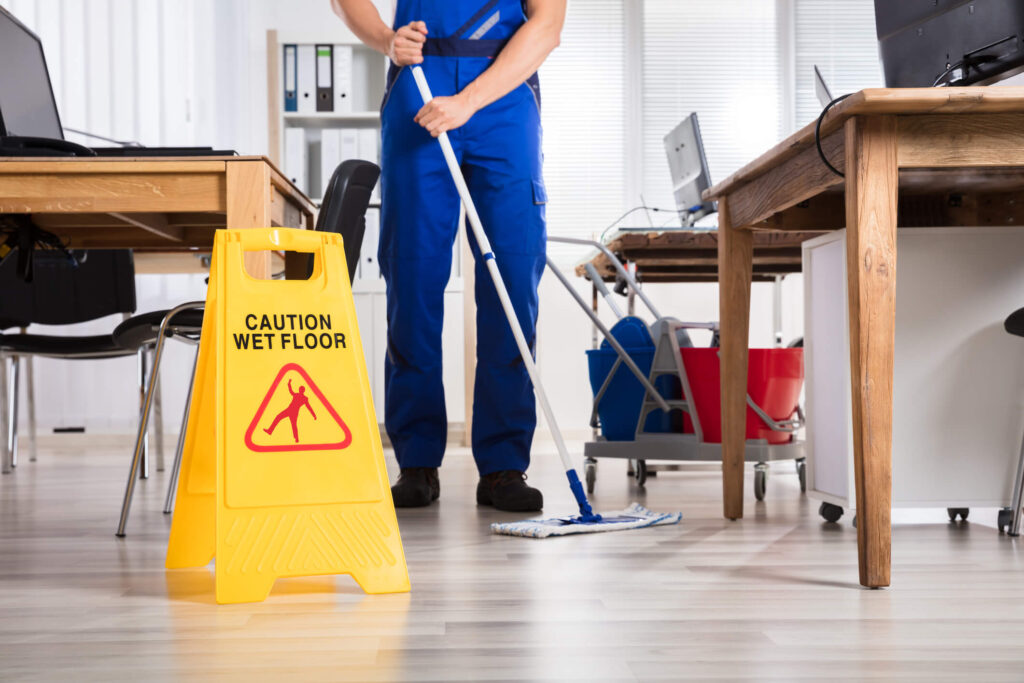
Daily janitorial cleaning suits busy offices, shared restrooms, break rooms, restaurants, reception areas, and facilities receiving regular foot traffic. A daily scope typically prioritizes trash removal, restroom sanitation, reception area cleaning, touchpoint disinfection, floor care, and consumable restocking.
Restaurant cleaning often requires daily attention because food preparation, customer turnover, and frequent restroom use create recurring hygiene demands. Daily cleaning also prevents visible waste and tracked-in soil from affecting the next business day.
Several Times per Week
Cleaning several times per week works well for offices with consistent employee activity but limited public access. A rotating scope can cover restrooms, common areas, workstations, and floors without charging for daily visits that the facility does not require.
The cleaning schedule should assign tasks by urgency rather than treating every room identically. Restrooms may need attention during every visit, while enclosed offices or low-use meeting rooms can follow a less frequent rotation.
Weekly Janitorial Cleaning
Weekly cleaning can support small offices, low-occupancy workspaces, and facilities where employees maintain basic order between professional visits. The weekly scope should still include restroom care, trash removal, dusting, vacuuming, and mopping where needed.
A weekly plan becomes insufficient when waste accumulates, restroom supplies run out, or floors look neglected before the next visit. Those conditions indicate that the facility needs more frequent service or targeted interim cleaning.
Periodic Deep Cleaning
Periodic deep cleaning addresses carpeted areas, hard floors, storage rooms, high-touch surfaces, and detailed work outside a routine janitorial checklist. Scheduling these tasks prevents gradual soil buildup from becoming a visible facility-wide problem.
Seasonal cleaning, post-construction cleaning, and move-in or move-out service require a more intensive scope than recurring maintenance. A one-time cleaning can also prepare a facility for an inspection, major event, or operational transition.
Warehouse and Industrial Cleaning
Warehouse schedules should account for dust buildup, floor debris, material handling, equipment traffic, break rooms, restrooms, and attached offices. Operational activity and hygiene requirements determine whether the cleaning frequency should be daily, at shift changes, or on selected days.
Scheduling around production and access restrictions reduces interference with employees and equipment. TruePro can review how the building operates before recommendation.
Janitorial Services Included in Customized Service Plans
A TruePro service plan is built after reviewing the facility, rather than applying one checklist to every customer. Selected tasks support cleaner shared spaces, presentable customer areas, maintained floors, and a more comfortable workforce.
A clean environment does more than look good. It can give business owners greater peace of mind by establishing clear responsibility for recurring facility care.

Workspace and Office Cleaning
Office cleaning may include workstation cleaning, conference room cleaning, reception areas, private offices, dusting, trash removal, vacuuming, and mopping. The final scope identifies which surfaces cleaners may handle and which equipment or personal items should remain undisturbed.
Restroom and Break Room Cleaning
Service can include fixture cleaning, sanitation, touchpoint disinfection, trash removal, and agreed consumable restocking. Cleaning frequency should reflect restroom foot traffic and break-room use because these shared spaces develop cleaning needs faster than private offices.
Carpet Cleaning
Scheduled carpet cleaning helps manage visible soil, concentrated traffic patterns, and odors that routine vacuuming cannot fully address. Entryways and corridors may require more frequent treatment than low-use carpeted rooms.
Hard Floor Cleaning
Hard floor cleaning is available for offices, warehouses, and restaurants, with the method tailored to the floor material and daily use. Matching treatment to the surface matters because inappropriate products or processes can compromise appearance and maintenance results
Why Businesses Choose TruePro Cleaning Services
Certified Cleaning Professionals
Extensively Trained Teams
Customized Service Plans
Satisfaction Commitment
Healthier Work Environments
Clear Expectations
Proof Points That Support a Confident Decision
TruePro’s published trust signals include certified, extensively trained cleaning professionals and a commitment to ensuring customers are completely happy with their experience. Any future claims involving review totals, ratings, completed jobs, insurance, or years in business should be verified before publication.
Pricing should account for facility size, business type, cleaning frequency, restroom count, requested tasks, floor-care needs, and access requirements. A written, facility-specific proposal provides more useful upfront pricing than a generic rate that omits specialized or add-on work.
Availability for after-hours, weekend, urgent, or emergency cleaning should be confirmed during consultation. Defined service terms prevent scheduling assumptions from becoming operational problems.
How Your Janitorial Service Starts
Request a Consultation: Share your facility type, facility size, current cleaning concerns, and preferred service window.
Review the Space and Scope: TruePro identifies high-use rooms, required tasks, floor care needs, and access considerations.
Receive a Customized Service Plan: Your proposal presents a practical cleaning frequency and transparent cleaning scope.
Begin Scheduled Service: The team cleans according to the approved plan, with adjustments available when occupancy or operational needs change.
This process establishes expectations before work begins, helping decision-makers understand what is included and when each task will occur.
Local Janitorial Support for Knoxville Businesses
TruePro Cleaning Services supports Knoxville business owners with janitorial service, office cleaning, warehouse cleaning, carpet care, hard floor cleaning, and post-construction cleanup. Local service allows each plan to reflect the facility’s operating pattern rather than forcing the business into a standard timetable.
Scheduling can account for operating hours, employee shifts, customer visits, and access requirements to limit disruption. The consultation-based model is especially useful for facilities with restricted rooms, multiple shifts, or changing occupancy.
Request a Free Cleaning Quote or call (865) 213-5002 for a free estimate.
Frequently Asked Questions
How Often Should a Knoxville Business Schedule Janitorial Cleaning?
Most businesses need service daily, several times per week, or weekly, depending on traffic, occupancy, restroom use, and sanitation requirements. A facility assessment can identify the lowest practical frequency that still maintains expected conditions.
What Should Be Included in a Janitorial Cleaning Schedule?
A plan may cover offices, restrooms, break rooms, entryways, floors, trash removal, dusting, and touchpoint disinfection. Confirm frequency, supplies, access procedures, exclusions, and quality checks before approving the scope.
How Much Does Janitorial Cleaning Cost?
Every commercial property has different priorities, so commercial cleaning costs depend on facility size, floor types, surfaces, occupancy, restroom count, cleaning frequency, and specialized tasks. Request a site-specific quote that distinguishes recurring work from carpet cleaning, floor care, or other add-ons.
Can Cleaning Be Scheduled Around Operating Hours?
Scheduling may be structured around operating hours, shifts, and customer activity, subject to confirmed availability and building access. Discuss keys, alarms, restricted areas, and on-site contacts during the consultation.
When Is Deep Cleaning Necessary?
Deep cleaning is appropriate when routine service no longer controls embedded carpet soil, floor buildup, detailed dust, or neglected storage areas. It is also useful after construction, before occupancy, or during a move.
TruePro Cleaning Services
We serve within 30 miles of Knoxville, TN